
Understanding Generation Z is no longer a “future goal” for marketing students; it is the immediate requirement for academic and professional success. Born between the mid-1990s and the early 2010s, this demographic is the first true generation of digital natives. However, a significant gap exists between how Gen Z behaves as impulsive consumers on TikTok and how they are expected to analyze those same behaviors in a structured, academic marketing case study.
For many undergraduates, bridging this gap is the hardest part of their degree. When the pressure of deadlines and complex consumer data becomes overwhelming, seeking a reliable assignment helper from MyAssignmentHelp Services can provide the structural guidance needed to turn raw observations into high-distinction reports. Balancing the dual identity of being “part of the demographic” while remaining an “objective researcher” requires a specific set of analytical tools.
The Dual Identity: Consumer Instinct vs. Academic Rigor
Gen Z students have a natural advantage: they live the trends they study. They understand “the vibe” of a brand instantly. However, a university rubric doesn’t award marks for “vibes.” It awards marks for identifying the underlying psychological triggers, the supply chain ethics, and the data-driven ROI of a campaign.
The Consumer Perspective
As consumers, Gen Z values:
- Authenticity over Aesthetics: They prefer “lo-fi” content over polished, high-budget commercials.
- Social Proof: Influencer recommendations carry more weight than traditional celebrity endorsements.
- Ethical Consumption: 73% of Gen Z are willing to pay more for sustainable products.
The Student Perspective
As students, you must take these preferences and map them to traditional marketing frameworks. This means moving beyond “I like this brand” to “This brand utilizes a Decentralized Influence Model to lower Customer Acquisition Cost (CAC).”
Bridging the Data Gap in Case Studies
The most common mistake in student case studies is relying on anecdotal evidence. Just because you and your friends like a brand doesn’t mean it is a market leader. To rank high in your graduating class (and on Google’s search intent for “helpful content”), your writing must be grounded in “Problem-Solving Journalism.”
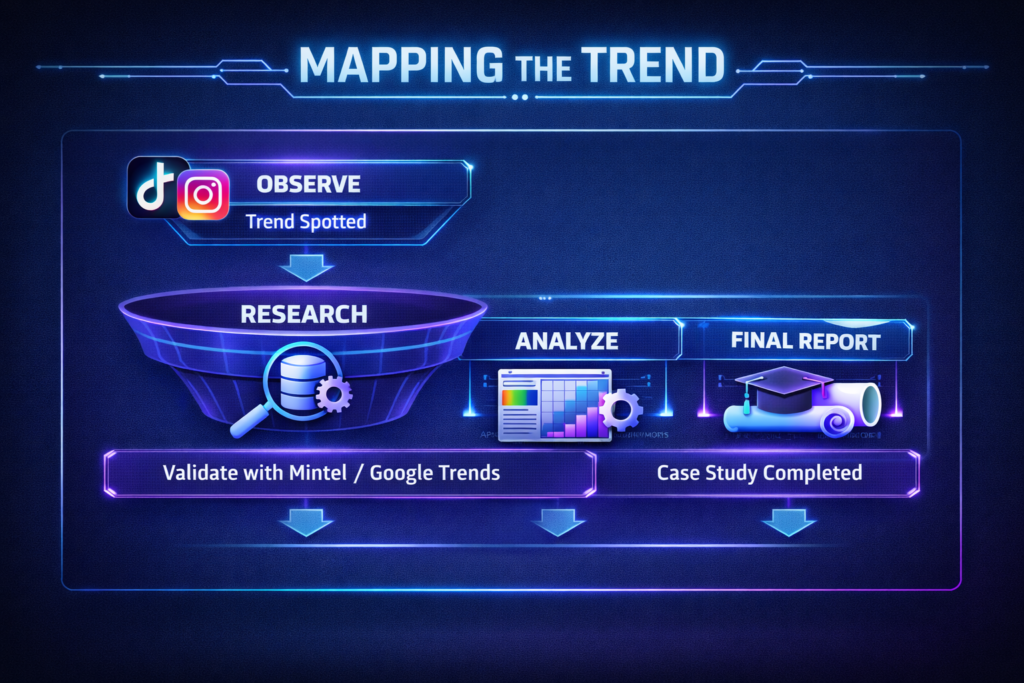
Key Differences in Evaluation
| Feature | Gen Z as a Consumer | Gen Z as a Marketing Student |
| Attention Span | 8 seconds (Short-form video focus) | Must sustain focus for 2,000+ word reports |
| Data Source | Algorithm-fed (For You Page) | Peer-reviewed journals & Mintel reports |
| Brand Loyalty | Low (Driven by price and ethics) | Must analyze “Customer Lifetime Value” (CLV) |
| Technology | Use for entertainment/socializing | Use for SEO, CRM, and Analytics |
Navigating the Complexity of Modern Marketing Rubrics
Marketing is no longer just about the “4 Ps” (Product, Price, Place, Promotion). It has evolved into a complex web of data privacy laws, algorithmic transparency, and hyper-personalization. When you are tasked with a project on “Omnichannel Strategies” or “Neuromarketing,” the leap from classroom theory to practical application is steep.
This is where specialized MyAssignmentHelp Services marketing assignment help becomes an essential resource. It allows students to see how professionals apply SWOT analyses and PESTEL frameworks to modern brands like Shein, Netflix, or Tesla. By studying professionally structured examples, students learn how to argue their points with the authority that professors expect.
How to Write a “First Page” Case Study
If you want your academic blog or guest post to rank on the first page of Google, you need to follow the same rules as professional content marketers. This means satisfying the E-E-A-T guidelines:
1. Expertise: Use Correct Terminology
Instead of saying “the brand is popular,” say “the brand has high market penetration within the 18–24 demographic.” Use terms like Brand Equity, Segmentation, and Psychographics.
2. Experience: Share Real-World Examples
Don’t just talk about theory. Mention a specific campaign, such as the Spotify Wrapped strategy. Explain why it works for Gen Z (personalization and shareability) and back it up with numbers.
3. Authoritativeness: Structure Matters
Use H2 and H3 tags to break up your text. Google’s crawlers—and your professors—prefer a logical flow. Start with an executive summary, move to situational analysis, and end with actionable recommendations.
The “Human” Element in Academic Writing
In an era where AI-generated text is everywhere, the “Human Tone” is your greatest asset. Professors (and Google’s latest “Helpful Content” updates) are looking for original thought.
Avoid these “Red Flags”:
- Overused AI Phrases: Stay away from “In the rapidly evolving digital landscape” or “It is important to note.”
- Passive Voice: Instead of “The study was conducted,” say “We analyzed the data.”
- Vague Statements: Be specific. Instead of “Gen Z likes social media,” say “Gen Z utilizes platforms like Discord and BeReal to find niche communities.”
Conclusion: Mastering the Transition
Mastering the transition from a Gen Z consumer to a Marketing Expert is about developing a “Critical Eye.” Every time you see an ad on your feed, ask yourself: What is the objective? Who is the target? How are they measuring success?
By combining your innate understanding of digital culture with the structured discipline of academic research, you become a powerful force in the marketing world. Whether you are using tools to manage your time or seeking expert guidance to refine your research, the goal remains the same: producing high-value content that solves problems and stands out in a crowded digital space.
Frequently Asked Questions (FAQ)
1. Why is Gen Z so hard to analyze in marketing case studies?
Ans: Gen Z is highly fragmented. Unlike previous generations that followed mass media, Gen Z exists in “micro-communities.” This makes it difficult for students to find a single “standard” behavior to report on, requiring more nuanced research.
2. How can I make my marketing assignments look less “spammy” and more professional?
Ans: Avoid “fluff.” Every sentence should either provide a fact, a piece of data, or a logical conclusion. If a sentence doesn’t add value to the reader, delete it. Use clear headings and bullet points to improve readability.
3. What are the best digital tools for marketing students in 2026?
Ans: Beyond the standard Google Suite, students should be familiar with Canva for visuals, SEMrush or Ahrefs for SEO research, and academic databases like JSTOR for high-quality citations.
4. How does MyAssignmentHelp assist in improving my grades?
Ans: By providing a “Value-First” framework, expert services help you understand how to structure complex arguments. Seeing a professional layout of a marketing plan makes it much easier to replicate that success in your own future work.
5. Is using an assignment helper considered academic integrity?
Ans: Using a service as a research guide or a “model paper” is a standard way to learn. It’s similar to hiring a tutor; it helps you understand the “how” behind the “what,” allowing you to improve your own writing skills over time.
About The Author
I am a digital strategist and academic content specialist at MyAssignmentHelp Services, where I focus on bridging the gap between complex marketing theories and the practical needs of modern students. With a background in SEO and consumer behavior, I specialize in helping undergraduates navigate the evolving digital landscape, turning classroom concepts into high-impact, real-world analyses. My goal is to empower the next generation of marketers with the tools, frameworks, and expert insights they need to excel in their studies and beyond.