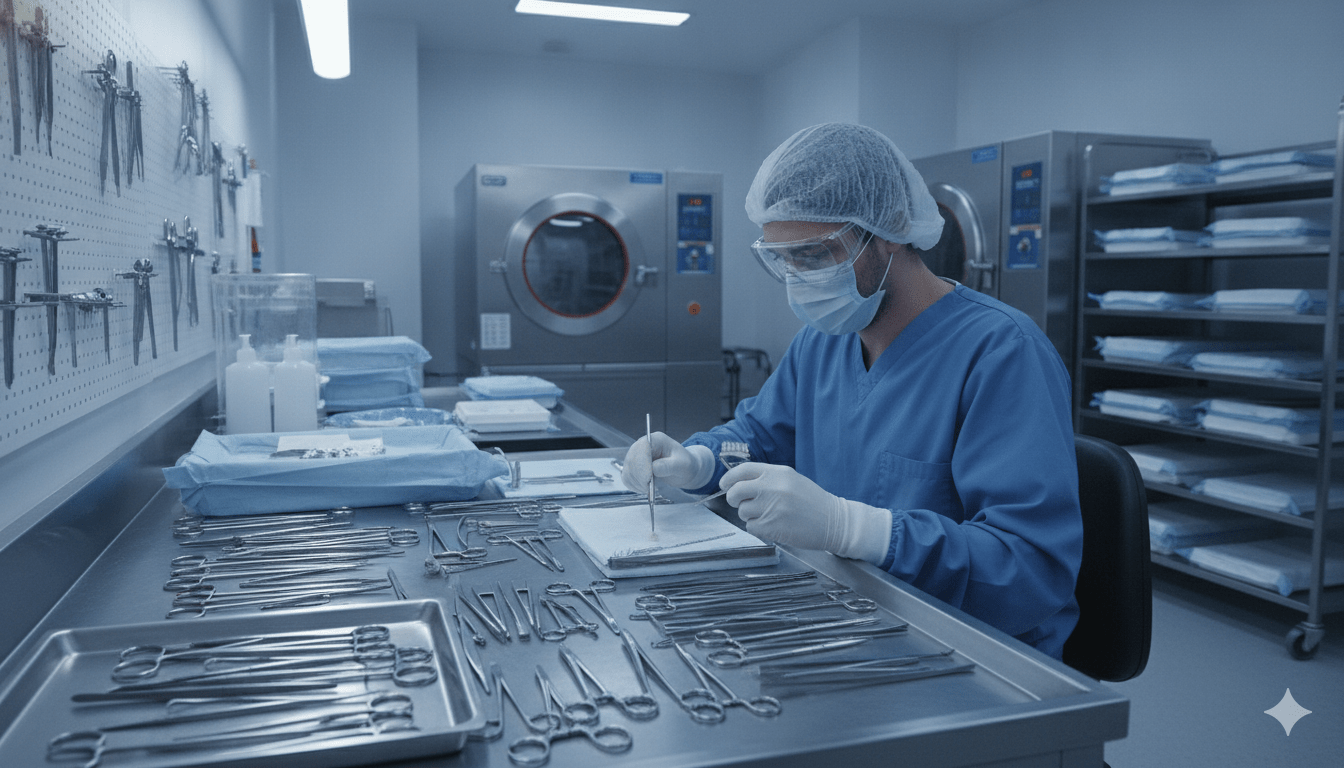
When people think about working in healthcare, they usually picture doctors, nurses, or flashy operating rooms. But there is a hidden army of heroes working behind the scenes to keep patients completely safe. One of the most important roles in this hidden world is the sterile processing tech. Without these detailed-professionsals, a hospital would have to shut its doors. Every single day, surgery rooms rely on them to provide clean, safe tools. If you want to enter the medical field quickly, this job is an amazing path to explore. It allows you to make a true difference without working directly with sick patients.
This role is perfect for people who love structure, schedules, and keeping things orderly. You do not have to spend years in college to get started. In fact, many people jump into this field in less than a year. As healthcare grows, the need for these experts is rising very quickly. Let us look deep into what this job looks like, what it pays, and how you can start your own journey today.
What is a Sterile Processing Tech?
A sterile processing tech is a medical professional who cleans, inspects, and prepares surgical tools. They are sometimes called central service technicians or medical equipment preparers. Their primary workspace is the central sterile processing department, often called the SPD or central supply. This is a highly controlled area inside a hospital where dirt, germs, and bacteria are kept out at all costs.
Think of this job like being the ultimate quality control inspector. Every time a surgeon uses a scalpel, clamp, or robotic tool, it must be completely free of germs. A sterile processing tech ensures that no harmful bacteria can cause a post-surgery infection. They act as the invisible shield protecting patients from dangerous hospital germs. It is a process-driven role where following rules saves lives.
Daily Duties of a Sterile Processing Tech
The workday of a sterile processing tech is full of motion, focus, and clear steps. They do not sit at a desk all day answering phones. Instead, they handle real medical tools that were just used in life-saving operations. It takes a lot of focus to ensure every tiny hinge and screw on a tool is perfectly clean.
Here are the main daily duties you will perform:
- Collecting dirty medical instruments from operating rooms.
- Washing tools by hand and using giant automated washers.
- Inspecting tools under magnifying glasses to find any remaining dirt or damage.
- Organizing and assembling complex surgical instrument trays.
- Operating high-tech sterilization equipment like steam autoclaves.
- Keeping detailed paper and digital records for hospital safety compliance audits.
The Step-by-Step Cleaning Process in the SPD
The way a sterile processing tech cleans equipment is not like doing dishes at home. It follows a highly strict, scientific process to guarantee total safety. Every single tool must go through specific zones to prevent cross-contamination.
1.Decontamination:Step 1.
Techs wear full personal protective equipment (PPE), including face shields and heavy gowns. They manually wash blood and fluids off instruments using special enzymes and water.
2.Inspection and Assembly:Step 2.
Tools move to the clean side. The tech tests each tool to make sure it works and looks for tiny cracks. They assemble the tools into specific trays using a strict checklist.
3.Packaging and Sterilization:Step 3.
Trays are wrapped in special protective wrap or placed in rigid containers. They go into massive steam, chemical, or gas autoclaves to kill every single living microbe.
4.Safe Storage and Distribution:Step 4.
Sterilized trays cool down and are moved to a clean storage room. The tech tracks inventory and sends the correct trays up to the operating rooms for the next surgeries.
Required Skills for This Healthcare Career
To thrive as a sterile processing tech, you need a specific set of personal traits. You do not need to be a math genius, but you must be incredibly detail-oriented. Missing a single spot on a surgical tool can have major consequences for a patient.
First, patience is absolutely vital because the work can be repetitive. You might clean the exact same type of tray multiple times during a single shift. Second, you need good physical stamina. You will spend most of your shift standing, lifting heavy trays, and pushing supply carts. Lastly, strong analytical reasoning helps you figure out how to take apart and reassemble complicated medical devices.
How to Get Your Sterile Processing Tech Certificate
Getting your foot in the door is much faster than other healthcare jobs. Most employers want you to have a high school diploma or equivalent. From there, you can choose to enroll in a dedicated training program at a community college or technical school.
Many training programs take anywhere from 4 to 12 months to complete. These courses teach you about microbiology, infection control, and medical terminology. A major part of your education will include a hands-on externship. This allows you to work inside a real hospital department to build confidence and log the required practical hours before graduation.
Top Professional Certifications That Matter
While a few places allow on-the-job training, having a professional certification makes a massive difference. It proves to hospitals that you know exactly what you are doing. Certified technicians get hired faster and usually earn a much higher starting wage.
The most popular option is the Certified Registered Central Service Technician (CRCST) credential. This is offered by the Healthcare Sterile Processing Association (HSPA). To earn it, you must pass a comprehensive exam and complete 400 hours of hands-on experience. Another highly respected organization is the Certification Board for Sterile Processing and Distribution (CBSPD), which offers a similar entry-level certificate.
Sterile Processing Tech Salary and Job Outlook
If you are looking for long-term career stability, this field is a fantastic choice. The healthcare world never slows down. As our population ages, more people need surgeries, which means the volume of tools passing through the SPD is climbing fast.
According to data from the U.S. Bureau of Labor Statistics, medical equipment preparers earn a steady living. The median annual wage is around $45,280, which breaks down to about $21.77 per hour. Experienced or certified techs can easily make over $63,000 a year. Plus, you can find awesome high-paying travel contracts once you get a year or two of experience under your belt.
Complete Career Comparison Table
It helps to see how a sterile processing tech role compares to other common allied health jobs. Some roles interact with patients all day, while others focus entirely on tools, data, or laboratory environments.
| Healthcare Role | Median Annual Salary | Patient Interaction | Education Required |
| Sterile Processing Tech | $45,280 | None | 4-12 Month Certificate |
| Medical Assistant | $44,200 | Very High | 1-2 Year Diploma |
| Medical Coder | $50,250 | None | 6-12 Month Certificate |
| Surgical Technologist | $62,480 | Medium (Inside OR) | 2-Year Associate Degree |
Where Do Sterile Processing Technicians Work?
The vast majority of professionals find full-time work inside general medical and surgical hospitals. These departments run 24 hours a day, 7 days a week. That means you can often choose between day, evening, or overnight shifts to fit your personal lifestyle.
However, hospitals are not your only option. You can also find great jobs in outpatient care centers, specialty surgery clinics, and even large dental offices. Some technicians also choose to work directly for medical device companies as equipment experts who travel to train other hospital staff.
Career Growth and Advancement Paths
Starting out as an entry-level technician is just the beginning of a rewarding journey. This career track offers very clear ladders for moving up. Because managers prefer leaders who know the daily grind, they almost always promote from within the department.
As you gain experience, you can earn advanced certifications. For example, you can become a Certified Instrument Specialist (CIS) or a Certified Endoscope Reprocessor (CER). These skills can help you move up into senior technician, quality assurance inspector, or department supervisor roles. Eventually, you could run the entire department as a healthcare leader.
Is a Career in Sterile Processing Right for You?
Deciding on a career path takes time, but this job offers a rare blend of quick entry, low stress from patient drama, and great job security. If you love working with your hands and like following clear checklists, you will likely thrive here.
Take a moment to look at your local job boards or check out nearby technical schools. Becoming a sterile processing tech allows you to become a vital backbone of the medical world. It is a stable, proud profession where your hard work keeps people safe from harm every single day.
Frequently Asked Questions (FAQs)
Do sterile processing techs work directly with patients?
No, they do not work with patients. They work entirely behind the scenes in a secure, controlled department cleaning and prepping instruments for the surgical teams.
How long does it take to get certified?
Most training programs last between 4 and 12 months. After finishing classes, you will complete your required hands-on hours and take your official certification exam.
Is the job of a sterile processing tech physically demanding?
Yes, it can be physically tiring. You will be on your feet for most of your shift, working with hot machinery, and lifting instrument trays that can weigh up to 25 pounds.
What is the difference between a surgical tech and a sterile processing tech?
A surgical tech works directly inside the operating room alongside the surgeon. A sterile processing tech works in a separate department cleaning and prepping the tools before they ever reach the operating room.
Can I work as a travel sterile processing technician?
Yes! Once you earn your certification and get 1 to 2 years of hospital experience, you can apply for travel contracts. These short-term jobs often pay much higher wages and include housing stipends.