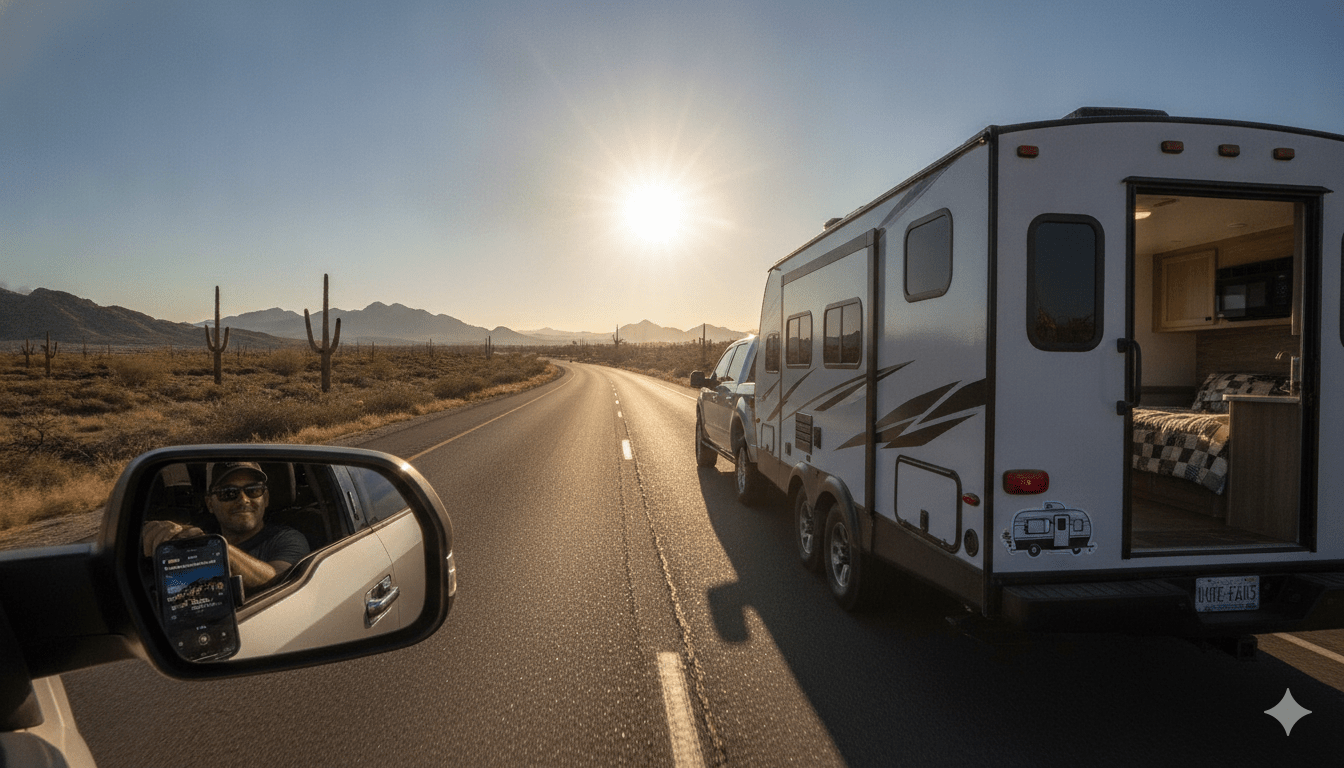
Imagine driving down a beautiful open highway with your favorite music playing. The sun is shining bright, and you have everything you need right behind your truck. That is the true magic of owning a travel trailer. It is like carrying a tiny, cozy home on wheels wherever you choose to go. You get a comfortable bed, a working kitchen, and a private bathroom in the middle of nature. Many families love this style of camping because it makes road trips easy and stress-free.
Choosing your very first camper can feel a bit confusing because there are so many options out there. You might see huge luxury models next to tiny, lightweight trailers at the dealership. Do not worry about getting overwhelmed by all the different floor plans and weight ratings. We are here to help you understand exactly what to look for before you buy. This guide will break down all the important details into very simple steps. Let us explore the exciting world of mobile camping together and find your perfect match.
What Exactly Is a Travel Trailer?
A travel trailer is a special type of RV that you tow behind a separate vehicle. Unlike motorhomes, these campers do not have their own engines or driver seats. You simply use a hitch to connect the camper frame securely to your truck or SUV bumper. This design gives you a lot of freedom when you finally arrive at your campsite. You can unhook the trailer, leave it at camp, and use your regular vehicle to explore. It makes running to the grocery store or visiting local parks much easier.
These towable homes come in an amazing variety of styles, shapes, and interior layouts. Some are built out of strong aluminum, while others use lightweight fiberglass shells. Inside, you will usually find a small living room, a dining area, and plenty of storage cabinets. They are perfect for weekend camping trips, long summer vacations, or even full-time living on the road. Knowing the basic setup helps you understand why they are the most popular campers in the world.
The Most Common Camper Sizes and Weights
Weight is the absolute most important factor when you are looking at a new travel trailer. You must make sure your current truck can safely pull the camper without straining. Campers are usually grouped into three main categories based on their total length and weight.
- Small Trailers: These are usually 10 to 20 feet long and weigh under 3,500 pounds. You can pull them with many smaller SUVs or mid-size trucks.
- Medium Trailers: These run from 20 to 30 feet long and weigh up to 7,000 pounds. They usually require a standard half-ton pickup truck to tow safely.
- Large Trailers: These stretch over 30 feet long and can weigh 10,000 pounds or more. You will definitely need a heavy-duty truck to handle these massive rigs on the highway.
Always check the towing capacity of your vehicle before you fall in love with a specific model. Look for the Gross Vehicle Weight Rating (GVWR) on the camper door sticker. This number tells you the maximum weight of the trailer when it is fully loaded with water and gear. Keeping your weights balanced ensures your family stays completely safe during long drives.
Key Interior Features for Comfortable Living
Step inside a modern travel trailer and you will be amazed by how much luxury fits inside. Most models feature a kitchen area with a small stove, a microwave, and a refrigerator. You can easily cook hot meals for your family instead of eating cold sandwiches every single day. The dining table often folds down into an extra bed at night, which saves a lot of space.
Many campers also include slide-outs, which are sections of the wall that extend outward when parked. Slide-outs instantly make the living room feel much wider and more comfortable. You will also want to look closely at the bathroom setup, known as a dry bath or wet bath. A dry bath has a separate shower and toilet, which feels just like a regular home bathroom. A wet bath combines everything into one waterproof room to save precious space.
Comparing Popular Travel Trailer Layouts
| Trailer Type | Average Length | Sleeping Capacity | Best For |
| Teardrop Camper | 10–15 Feet | 1–2 People | Solo travelers and couples who want a light tow |
| Bunkhouse Model | 25–32 Feet | 5–10 People | Big families with kids who need separate beds |
| Rear Entertainment | 28–34 Feet | 2–4 People | Couples who love big TVs and cozy living rooms |
| Toy Hauler | 26–36 Feet | 4–8 People | People carrying dirt bikes, ATVs, or golf carts |
How to Choose the Right Floor Plan for Your Family
Finding the perfect floor plan depends entirely on how you plan to spend your time. If you have young kids, you should look for a bunkhouse travel trailer layout. Bunkhouses have stacked beds in the back so the kids get their own private space. This keeps the main living area clean and organized during rainy days at camp.
Couples often prefer a rear-living or rear-entertainment layout instead of extra bunks. These designs place comfortable theater seats or a big sofa at the very back of the camper. Large windows usually surround the seating area so you can enjoy beautiful campsite views. Think about your daily routine and choose a layout that matches your personal lifestyle perfectly.
Essential Gear You Need for Your First Trip
Buying your travel trailer is just the very first step of your outdoor journey. You will also need a few essential tools to set up your campsite correctly. First, you need a high-quality sewer hose to empty your waste tanks safely at the dump station. A heavy-duty freshwater hose is also required to bring clean drinking water into your camper tanks.
You will also want to buy strong leveling blocks and wheel chocks. Leveling blocks go under the tires to keep your camper perfectly straight on bumpy ground. Wheel chocks block the tires so the trailer cannot roll away while you are sleeping inside. Investing in these basic tools prevents common accidents and keeps your equipment working great.
Understanding Your Freshwater and Waste Tanks
A travel trailer relies on three separate water tanks to function away from home. The freshwater tank holds all the clean water you use for drinking, cooking, and showering. A small electric pump pushes this water through the pipes whenever you turn on a faucet. Managing your water use carefully allows you to camp comfortably without any hookups.
The other two tanks hold your used wastewater until you can empty them. The gray tank collects dirty water from your kitchen sink and bathroom shower. The black tank holds all the waste from your toilet. Most campers have sensors that show you how full these tanks are on a wall panel. Learning to dump these tanks properly is a quick skill that every new owner masters easily.
Tips for Towing a Trailer Safely on the Highway
Pulling a heavy travel trailer feels very different than driving a normal car or SUV. Your vehicle will accelerate much slower, and it will take longer to come to a complete stop. You need to leave plenty of extra space between your truck and the traffic ahead of you. Take wide turns at street corners so your trailer tires do not hit the curb.
It is highly recommended to use a weight-distribution hitch with sway control bars. This special hitch connects the trailer frame tightly to your truck chassis. It stops the camper from wagging back and forth when big trucks pass you on the highway. Drive at a relaxed speed, stay focused, and enjoy the journey to your destination.
The Financial Benefits of Buying New vs. Used
Deciding between a brand-new travel trailer or a pre-owned model is a huge financial choice. A new camper comes with a factory warranty that covers any repairs during the first year. You also get to pick the exact colors, options, and layout you want from the factory. However, new trailers lose value quickly during the first few years of ownership.
Buying a used travel trailer can save you thousands of dollars right from the start. You let the previous owner pay for that initial drop in value. The trick is to inspect used campers very carefully for hidden water damage or roof leaks. Check the ceilings for soft spots and look inside cabinets for dark mold stains. A well-maintained used trailer can give you amazing value for your hard-earned money.
Simple Maintenance Steps to Protect Your Investment
Taking care of your travel trailer ensures it stays nice and lasts for decades. The most important maintenance chore is checking the roof seals at least twice a year. Sun and weather can cause the rubber sealant around roof vents to crack over time. If you see small cracks, add a fresh layer of RV lap sealant immediately to keep water out.
You should also wash the exterior walls regularly to remove dirt and highway road salt. Lubricate the moving parts on your entry steps and slide-out rails so they operate smoothly. Check your tire pressure before every single road trip to prevent dangerous highway blowouts. These quick, simple tasks protect your budget and keep your camper ready for adventure at any moment.
Conclusion: Ready to Hit the Road?
Owning a travel trailer opens up a whole new world of fun outdoor adventures for your family. It gives you the freedom to explore beautiful state parks without sacrificing the comfort of home. By choosing the right size, weight, and floor plan, you will create an amazing base camp for your travels.
Do not let the learning curve stop you from enjoying the wonderful RV lifestyle. Talk to local owners, visit a dealership, and ask plenty of questions about different models. The camping community is incredibly friendly and always happy to help new beginners get started. Grab your gear, hitch up your trailer, and go make some unforgettable memories on the open road!
Frequently Asked Questions
What size truck do I need to tow a travel trailer?
The truck size you need depends entirely on the total weight of the trailer. Small teardrop trailers can be towed by small SUVs or mid-size trucks. Medium trailers usually require a standard half-ton truck like an F-150 or Chevy 1500. Large trailers over 30 feet often require a heavy-duty three-quarter-ton truck to tow safely.
Can I sleep in a travel trailer while it is being towed?
No, it is highly dangerous and illegal to ride or sleep inside a trailer while it is moving down the road. Travel trailers do not have seatbelts or airbags to protect you during an accident. The trailer can also shake and sway heavily, which makes standing up inside nearly impossible. Always ride safely inside the tow vehicle.
How long do travel trailer tires typically last?
Most trailer tires should be replaced every 3 to 5 years, even if the tread still looks deep. Trailer tires often sit in the hot sun for long periods without moving, which causes the rubber to dry rot. Look for small cracks along the tire sidewalls as a clear sign that they need to be replaced.
What is the difference between a wet bath and a dry bath?
A wet bath is a compact bathroom where the entire room serves as the shower stall. The toilet and sink get completely wet whenever you take a shower. A dry bath has a completely separate shower stall with a door or curtain. Dry baths look more like a house bathroom but take up much more floor space inside.
Do I need special insurance for a towable camper?
Yes, you should get a specific RV insurance policy to protect your camper from damage and theft. While you are driving, your regular auto insurance usually covers liability if the trailer hits something. However, auto insurance will not pay to fix your trailer if it is damaged by storms or vandalism while parked at camp.