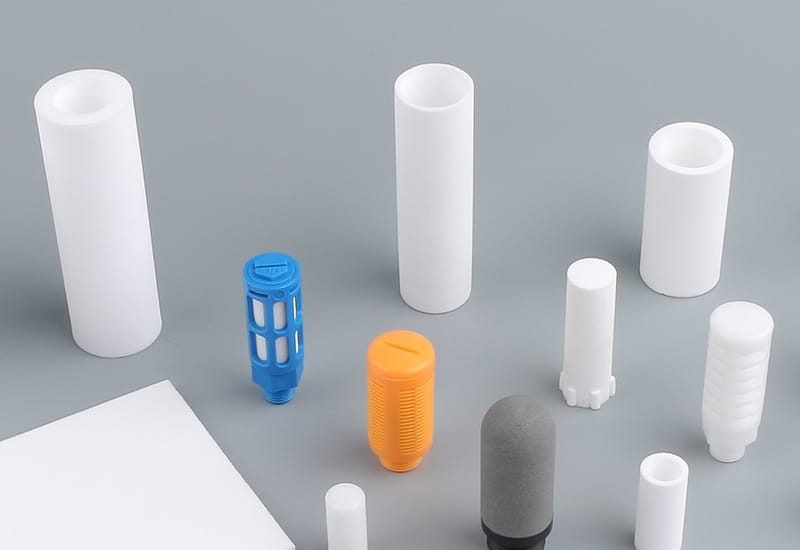
Global water scarcity and increasingly stringent environmental discharge regulations are pushing engineers and plant operators to adopt more reliable, durable, and cost-effective filtration solutions. Sintered porous plastic filter cartridges have emerged as a transformative component in both municipal and industrial water treatment systems.
The Water Crisis Demands Better Filtration
By 2030, global water demand is expected to exceed supply by 40%. Water reuse and advanced treatment are no longer optional — they are existential priorities. At the heart of effective water treatment lies filtration: the ability to remove suspended solids, particulates, microorganisms, and contaminants from source water or industrial effluent streams.
Traditional media filters — sand, anthracite, and diatomaceous earth — have served the industry for decades. However, they are bulky, require significant backwash volumes, and degrade over time. This is where advanced porous plastic filtration elements are rewriting the playbook.
Sintered Filter Cartridges in Municipal Water Treatment
In municipal drinking water systems, sintered porous plastic cartridges are deployed at multiple stages of the treatment train. As pre-filtration elements upstream of membrane systems such as reverse osmosis (RO) or ultrafiltration (UF), they remove larger suspended solids and protect more expensive downstream membranes from fouling.
Their consistent pore size distribution ensures predictable performance — a critical requirement in regulated drinking water systems where treatment efficacy must be demonstrably reproducible. Unlike string-wound or melt-blown cartridges, sintered plastic elements do not shed fibers into the filtrate, eliminating a common source of downstream contamination.
Industrial Wastewater Treatment
Industrial effluent often contains a complex mixture of suspended solids, oils, heavy metals, and process chemicals. Sintered porous plastic sheets and filter elements handle this challenge effectively because their chemical inertness means they resist attack from aggressive constituents that would degrade cellulose, glass fiber, or even stainless steel filter media over time.
Applications include coolant filtration in metalworking operations, produced water treatment in oil and gas facilities, electroplating rinse water clarification, and effluent polishing prior to discharge. The ability to regenerate sintered elements through backflushing, chemical soaking, or ultrasonic cleaning provides significant total cost of ownership advantages.
Aeration and Oxygenation in Biological Treatment
Biological treatment processes — activated sludge, moving bed biofilm reactors (MBBR), and submerged membrane bioreactors — all depend on efficient oxygen transfer to sustain the microbial communities that break down organic waste. Sintered porous plastic diffuser panels distribute air in the form of fine bubbles, maximizing oxygen transfer efficiency (OTE) and directly reducing the largest operating cost in most wastewater treatment plants.
Recommended Pore Sizes by Application
- RO Pre-filtration: 5–20 µm (PE or PP)
- Industrial Coolant Filtration: 25–100 µm (PE)
- Acid/Alkali Effluent: 10–50 µm (PTFE)
- Oily Wastewater: 20–80 µm (PP)
- Drinking Water Polishing: 1–5 µm (PE or PTFE)
Sustainability Advantages
Beyond performance, sintered porous plastic filtration elements align well with sustainability goals. Their extended service life reduces material consumption and waste generation. Regenerability means fewer replacement cycles and reduced chemical consumption. When filters do reach end-of-life, many can be recycled within the polyolefin waste stream, supporting circular economy objectives.
For water treatment engineers seeking filtration solutions that are both technically superior and environmentally responsible, sintered porous plastic technology represents a compelling, future-ready choice.