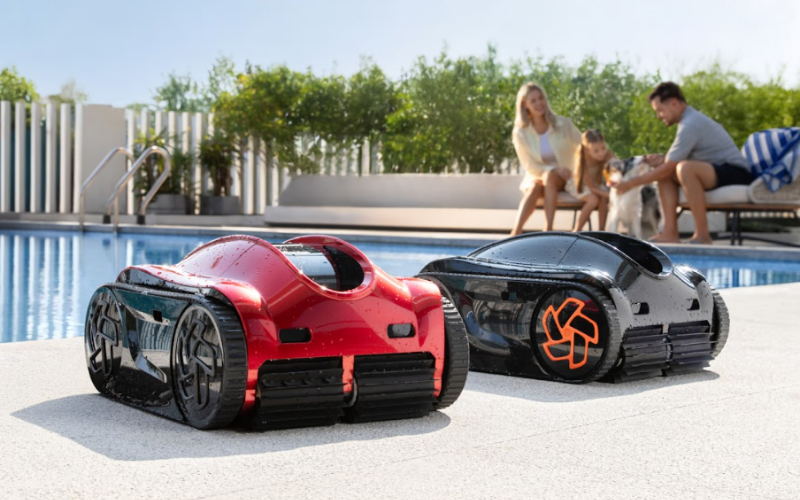
Buying your first automatic pool cleaning device can feel simple at first. Many people think it is just about finding a machine that removes leaves and dirt. But once you start comparing options, the process can become less clear. Different cleaning patterns, pool types, features, and maintenance needs can all affect your decision.
That is why it helps to understand the basics before you buy. A better choice starts with knowing what your pool actually needs.
Start With Your Pool Type
The first thing to consider is your pool itself. Not all pools have the same shape, size, or surface. A device that works well in one pool may be less effective in another.
Think about the following:
- Is your pool in-ground or above-ground?
- Is it small, medium, or large?
- Does it have a simple shape or many curves?
- Are there steps, ledges, or deep corners?
- Does the surface collect fine dust, leaves, or both?
These details matter because the cleaner must move through the pool in a practical way. A small and simple pool may not need the same level of coverage as a larger pool with walls, corners, and changing depths.
Before buying, it helps to look at your pool as a working environment. The better you understand that environment, the easier it becomes to choose a suitable cleaning device.
Know What Kind of Cleaning You Need
Not every pool owner has the same cleaning problem. Some pools collect large leaves from nearby trees. Others deal with sand, dust, insects, or pollen. Some pools stay fairly clean on the floor but develop marks on the walls or waterline.
This is an important point. You should not buy based only on general claims about cleaning. Instead, focus on your most common cleaning needs.
Ask yourself:
- Does your pool mainly collect surface debris?
- Does dirt settle on the floor often?
- Do the walls need regular brushing?
- Does the waterline show buildup quickly?
If your main issue is heavy debris, you may need stronger debris handling. If your main issue is fine dirt, filtration and coverage become more important. If the walls and waterline get dirty fast, then broader cleaning ability matters more.
A good purchase starts with a clear picture of the problem you want to solve.
Understand Coverage Before You Buy
One of the biggest mistakes first-time buyers make is assuming all automatic pool cleaners clean the same areas. That is not always true. Some mainly focus on the floor. Others are designed to clean multiple surfaces.
Before buying, check what kind of coverage you actually need:
- Floor only
- Floor and walls
- Floor, walls, and waterline
This choice has a direct effect on both cleaning results and convenience. If your pool walls often collect dirt or algae, floor-only cleaning may not feel complete. If the waterline is a problem area, a basic cleaning cycle may leave visible marks behind.
Coverage is one of the most practical features to compare because it changes how much manual work you still need to do later.
Think About Pool Size and Cleaning Time
Pool size affects more than cleaning area. It also affects how long the cleaner needs to work. A larger pool takes more time to cover. A complex layout may also slow the process.
This means runtime matters. A short cleaning cycle may be enough for a compact pool. A bigger pool may need longer operation to finish the job properly. The iGarden pool robot with its long battery life is a good choice.
When comparing choices, do not only ask whether the device can enter the pool. Ask whether it can clean the pool in a useful amount of time. If a cycle is too short or the coverage is incomplete, you may end up running it again or doing extra work by hand.
A device should make your routine easier. If it creates repeat steps, it may not be the right fit.
Pay Attention to Ease of Use
A cleaning device can have strong performance on paper and still feel frustrating in daily use. For first-time buyers, ease of use is often just as important as cleaning power.
Look for a setup process that feels simple. Think about how often you will need to lift, empty, rinse, or restart the unit. A cleaner that is hard to handle can become annoying over time, even if it works well during the cleaning cycle.
A few practical questions can help:
- Is it easy to place in the pool?
- Is it simple to remove after a cycle?
- Is the debris container easy to access?
- Can you clean the filter quickly?
- Does the device fit naturally into your weekly routine?
The best option is often the one you will actually use consistently. Simplicity supports good maintenance habits.
Consider Maintenance After Cleaning
Many buyers focus on what happens during cleaning. But what happens after the cycle is also important. Every automatic pool cleaning device needs some level of maintenance.
This may include:
- Emptying collected debris
- Rinsing filters
- Checking for trapped dirt
- Storing the device properly
- Inspecting it for wear over time
If post-cleaning care feels too complicated, the device may not stay convenient for long. This is why first-time buyers should look at the full process, not just the cleaning result.
A useful cleaner should reduce work overall. That includes both the cleaning cycle and the maintenance that follows.
Think About How Often You Will Use It
Your buying decision should also match your real pool habits. Some people use the pool often and want frequent cleaning. Others use it mainly on weekends or during certain seasons.
A first-time buyer should be honest about this. If you need regular cleaning, convenience and repeat use become more important. If your pool collects debris quickly, you may need a device that fits into a steady schedule. If your pool stays fairly clean, a simpler setup may be enough.
The goal is to choose something that matches your actual routine, not an ideal version of it. A realistic choice is usually the smarter one.
Do Not Buy Based on One Feature Alone
It is easy to focus too much on one detail. Some buyers only look at power. Others only look at runtime, smart controls, or cleaning speed. But one feature alone does not tell you whether the device is right for your pool.
A better approach is to look at the full picture:
- Pool compatibility
- Cleaning coverage
- Ease of use
- Debris handling
- Routine maintenance
- Expected cleaning frequency
When these factors work together, the device is more likely to feel useful in real life. A strong feature can be helpful, but balance matters more than any single claim.
Set Clear Expectations
An automatic cleaner can make pool maintenance much easier, but it should not be treated like a magic solution. It helps reduce manual work. It improves routine cleaning. It can save time. But it still needs proper use, regular maintenance, and a good fit with your pool.
This is important for first-time buyers. If your expectations are too high, even a good device may feel disappointing. If your expectations are practical, the results are usually much more satisfying.
Think of it as a tool that supports a better maintenance routine. It should make pool care more manageable, not completely remove all responsibility.
Make the First Purchase a Practical One
Your first automatic pool cleaning device does not need to be chosen in a rush. A better decision comes from asking simple questions and paying attention to your real needs. Start with your pool type. Think about the debris you deal with most. Check coverage, runtime, and ease of use. Consider the maintenance required after each cycle. Most of all, choose a device that fits the way you actually care for your pool.
A careful first purchase can save time, reduce frustration, and improve your weekly routine. When you focus on practical use instead of only broad claims, it becomes much easier to choose a cleaning device that truly makes pool ownership simpler.