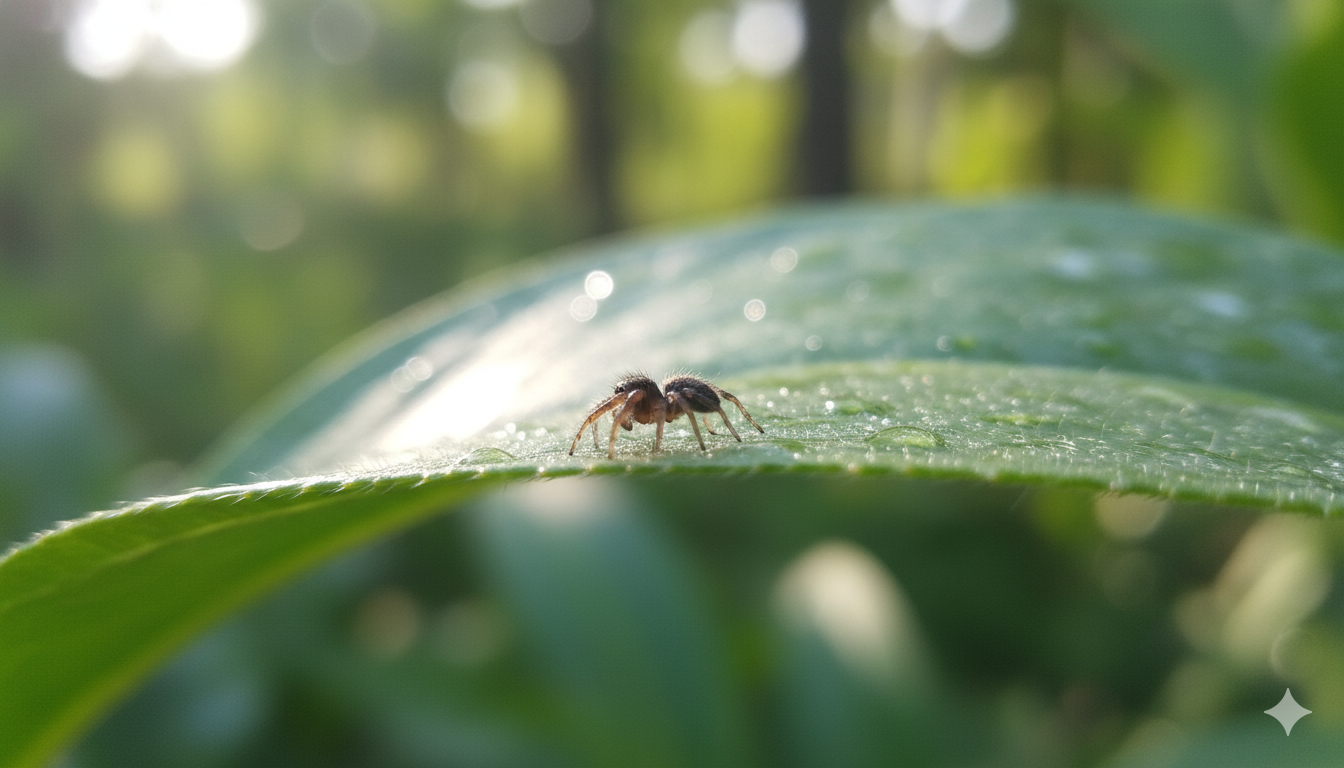
Have you ever looked closely at a tiny, walking speck on a leaf? It might just be a baby spider! These miniature creatures are absolutely fascinating. Many people feel nervous around them, but they are actually very helpful to our world. They act like little guards for nature by eating pests.
When a mother spider lays eggs, she wraps them up safely. She makes a cozy blanket out of her own strong silk. Inside this soft silk ball, hundreds of tiny lives are getting ready to explore. Once they hatch, these little ones begin an amazing journey. They have to grow up in a big, wild world.
In this complete guide, we will look closely at these tiny eight-legged wonders. You will learn about their life stages, what they eat, and how they travel. Let us dive into the wonderful world of the baby spider!
What is a Baby Spider Called?
A baby spider has a special and cute name. Scientists and nature lovers call them spiderlings. Sometimes, people who keep them as pets call them “slings” for short. This name perfectly matches their tiny size and playful nature.
When they first leave their egg sac, they look like microscopic versions of their parents. They already have eight tiny legs. However, their bodies are often very soft. Some are even see-through! You can look right through their skin to see how they work inside. They do not look scary at all. Instead, they look like little dots running across a surface.
The Magical Spider Egg Sac
Every baby spider begins its life inside a structured egg sac. The mother spider spins this protective home using a very tough kind of silk. It works like a tiny, water-proof sleeping bag. It keeps the eggs warm and safe from hungry predators.
Different types of spiders make different types of sacs. Some are round and white, while others are flat and brown. A mother spider might hide her sac under a rock, attach it to a leaf, or carry it with her everywhere she goes. Inside a single sac, there can be anywhere from two eggs to over one thousand eggs! They stay huddled close together until it is time to face the world.
How Do Spiderlings Hatch?
Hatching is a big step for a tiny baby spider. Inside the silk sac, the eggs slowly turn into embryos. When they are ready to break out, they use a special, sharp tool on their bodies called an “egg tooth.” This is a tiny spike that helps them tear open their egg shell.
Once they break the shell, they are still very weak. They usually stay inside the safe silk sac for a few days or weeks. During this quiet time, they rest and complete their very first skin shed. This helps them grow a little bit stronger. After they finish this step, they are ready to emerge into the bright daylight.
The Marvelous Molting Process
Spiders do not have bones inside their bodies like humans do. Instead, they have a hard outer shell called an exoskeleton. This shell protects them, but it cannot stretch. As a baby spider grows bigger, its outer shell gets way too tight!
To solve this problem, the baby spider must shed its old skin. This process is called molting. The young spiderling will pump up its body until the old shell cracks open. Then, it carefully crawls out of its old skin. The new skin underneath is very soft and stretchy. The spider stretches its legs out before the new shell hardens. A young spider will molt several times before it becomes a full adult.
What Does a Baby Spider Eat?
A growing baby spider needs plenty of energy, so they have surprisingly big appetites. Since they are so tiny, they cannot hunt big bugs. Instead, they look for food that matches their miniature size.
In the wild, spiderlings eat tiny insects like fruit flies, gnats, and springtails. If food is very scarce, some spiderlings might even eat their own siblings to survive. But they also have a peaceful secret food source! Tiny spiderlings are known to eat pollen grains that float through the air and land on webs. This plant pollen gives them lots of healthy protein.
The Art of Ballooning in the Air
Did you know that a baby spider can fly? Even though they do not have wings, they have a magical way of traveling through the sky. This incredible travel method is called ballooning.
When a baby spider wants to find a new home, it climbs to a high spot like a fence or a tall blade of grass. It stands on its tiptoes and lifts its belly into the air. Then, it shoots out a long, thin strand of silk. The warm wind catches this silk thread just like a kite. Suddenly, the tiny spiderling is lifted up into the air! They can travel for miles this way, crossing oceans and landing in brand-new places.
Spectacular Super-Moms of the Spider World
Not all spider mothers leave their babies behind. Some are incredibly loving and protective parents. For example, the wolf spider is a true super-mom.
A female wolf spider attaches her heavy egg sac to her rear end and carries it everywhere she walks. When the baby spider group hatches, they do not run away. Instead, hundreds of tiny spiderlings climb right up their mother’s legs. They form a thick, fuzzy layer on her back! She carries her massive family around for weeks, protecting them from danger while she hunts for food. If a baby falls off, she stops and waits for it to climb back up.
Detailed Comparison Table of Common Spiderlings
The table below shows how different types of baby spiders behave and look when they are young.
| Spider Type | Number of Eggs | Color of Baby | Special Trait or Behavior |
| Wolf Spider | 100 to 300 | Light brown or gray | Rides on the mother’s back for weeks |
| Jumping Spider | 30 to 100 | Often see-through or bright | Can jump many times its body length |
| Orb Weaver | 300 to 1,000 | Bright yellow and black | Gathers in a giant, swirling ball of babies |
| Tarantula | 500 to 2,000 | Pale pink or tan | Grows very slowly over many years |
Where Do Baby Spiders Live?
You can find a baby spider almost anywhere on Earth, except for Antarctica. They love places where they can hide from predators and find small bugs to eat.
Outdoors, they live in green gardens, tall grass, deep forests, and under old tree bark. Indoors, they like quiet, dark corners. You might spot them in a dusty basement, a high attic, or behind window frames. They prefer places where humans do not disturb them. If you see one in your house, do not panic! It is simply looking for a safe spot to catch tiny pests for you.
Why Baby Spiders are Good for Your Garden
Many people get scared when they see a baby spider swarm. However, having these little arachnids in your garden is actually a huge blessing. They are nature’s natural pest control agents.
A single baby spider can eat hundreds of plant-damaging insects as it grows up. They catch aphids, mites, and tiny flies that ruin your beautiful flowers and backyard vegetables. Instead of using chemical sprays that hurt the environment, you can let these tiny helpers do the work for free. They keep your garden healthy and balanced.
What to Do If You Find a Baby Spider Group
Sometimes, you might find a massive cluster of tiny yellow or brown dots spinning a web together. This happens when an entire egg sac hatches at the exact same time. It can look a bit shocking, but there is no need to worry.
These babies will not stay together for long. They only stick around for a couple of days to gain strength. Soon, they will use their silk lines to balloon away on the wind. If they are inside your home, you can gently sweep them into a container using a soft paintbrush. Then, carry them outside to your garden where they can find plenty of space to live.
Conclusion: Appreciating the Tiny Spiderling
The world of the baby spider is full of magic, wonder, and survival. From the moment they use an egg tooth to break out of their silken home, these tiny creatures face huge challenges. They learn to molt their skin, hunt for tiny pests, and fly through the sky using nothing but a strand of silk.
They are peaceful neighbors that play a vital role in our ecosystem. Next time you see a tiny spiderling floating on a breeze or crawling on a green leaf, give it a little space. It is just a small baby working hard to grow up in a very big world! Have you ever seen a mother spider carrying her babies? Let us know your thoughts below!
Frequently Asked Questions
1. Can a baby spider bite you?
Most spiderlings are way too small to bite a human. Their tiny fangs are not strong enough to pierce our thick skin. Even if they try, they are completely harmless. Only a few rare species have venom that matters, but those babies stay hidden away and avoid humans.
2. How many legs does a baby spider have?
A baby spider is born with exactly eight legs, just like its parents. They do not start with fewer legs and grow more later. However, if a young spiderling accidentally loses a leg to a predator, it can actually grow a brand-new leg back during its next molt!
3. Do baby spiders spin webs right away?
Yes! Many spiderlings know exactly how to spin a web as soon as they emerge from their egg sac. This amazing skill is built into their brains from birth. An orb weaver baby can spin a perfect, tiny circular web that is only an inch wide.
4. How long does it take for a baby spider to grow up?
The time it takes to grow depends on the type of spider. Small garden spiders can grow from a tiny baby to a full adult in just a few months. However, large tarantulas grow very slowly. It can take them several years to reach their full adult size.
5. Why do baby spiders cluster together?
When they first hatch, they stay close together for warmth and safety. Being in a large group makes it harder for predators like birds or ants to eat all of them. After their first outdoor shed, they get adventurous and disperse to live alone.