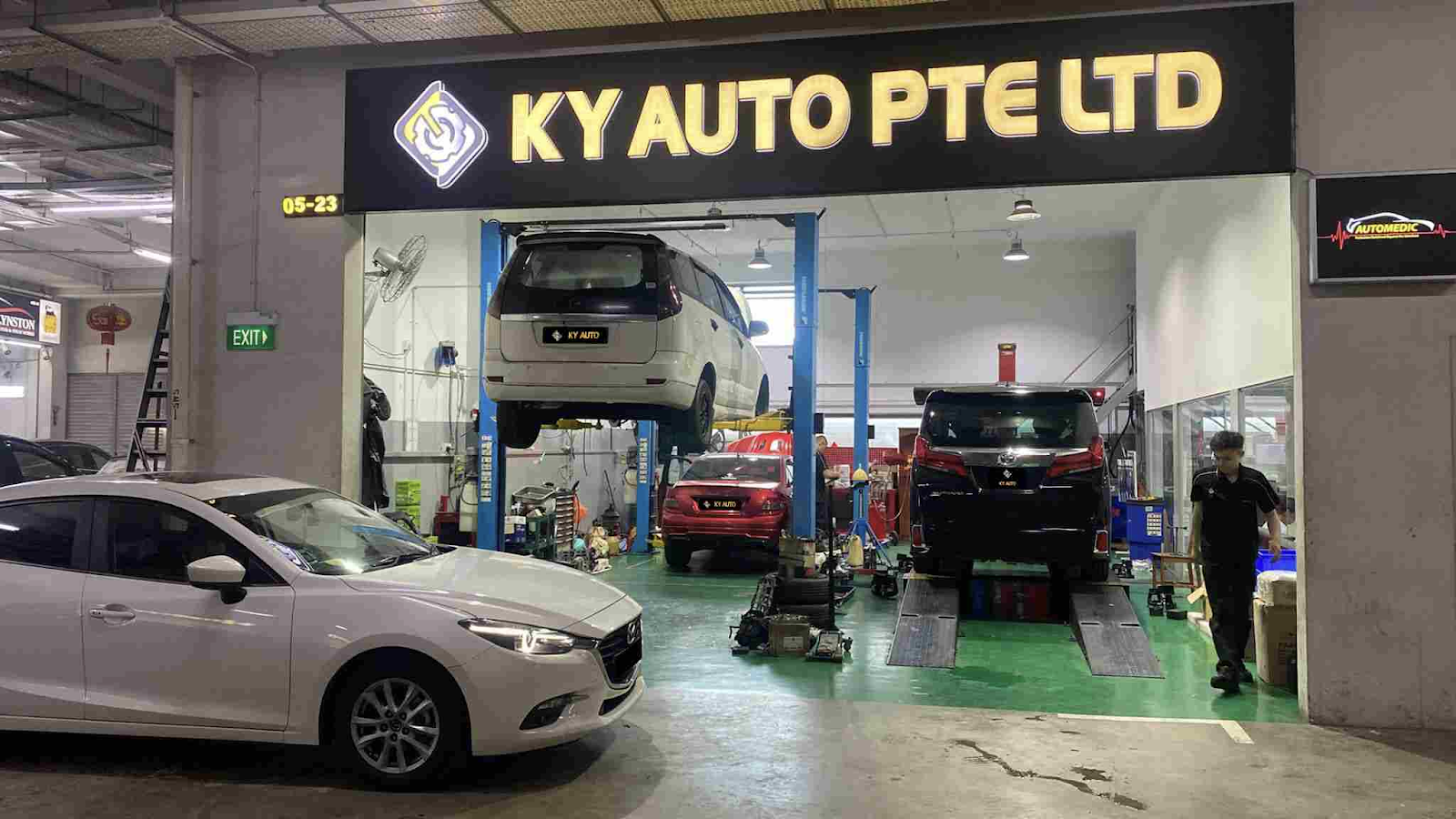
Owning a car comes with ongoing responsibilities, and one of the most important is regular servicing. While many drivers delay maintenance until problems arise, this approach often leads to higher costs and reduced vehicle performance.
This is why working with a trusted automobile repair workshop is essential for preventive care. Understanding the importance of routine servicing can help you make smarter decisions and extend the lifespan of your vehicle.
What Is Car Servicing?
Car servicing refers to a series of routine checks and maintenance tasks carried out to ensure that a vehicle operates efficiently and safely. These services typically include oil changes, brake inspections, tire checks, and fluid top-ups, making regular car maintenance crucial for long-term performance.
Visiting a professional car workshop ensures that your vehicle is assessed by trained technicians who can identify both visible and hidden issues before they escalate.
Why Regular Car Servicing Is Important
1. Prevents Costly Repairs
One of the biggest advantages of regular servicing is early problem detection. Minor issues such as worn brake pads or low fluid levels can be fixed quickly and affordably before they turn into major repairs.
2. Improves Vehicle Performance
A well-maintained car runs smoother and responds better on the road. Clean engine oil, properly inflated tires, and well-functioning components all contribute to optimal performance.
3. Enhances Safety
Safety should always be a top priority. Routine servicing ensures that critical systems like brakes, steering, and suspension are functioning properly, reducing the risk of accidents.
4. Increases Fuel Efficiency
A poorly maintained engine consumes more fuel. Regular maintenance helps your vehicle run efficiently, saving money on fuel in the long run.
What Is Included in a Typical Car Service?
Basic Service
- Engine oil and oil filter replacement
- Fluid level checks (coolant, brake fluid, etc.)
- Tire pressure inspection
- Battery condition check
Full Service
- Air filter replacement
- Brake inspection and adjustment
- Suspension check
- Engine diagnostics
Major Service
- Spark plug replacement
- Transmission fluid change
- Timing belt inspection (if applicable)
- Comprehensive system checks
Choosing the right level of car servicing depends on your vehicle’s age, mileage, and usage.
How Often Should You Service Your Car?
While recommendations vary by manufacturer, a general rule is:
- Every 6 months or 10,000 km for regular drivers
- More frequently for heavy usage or older vehicles
Consulting a trusted provider can help you establish a maintenance schedule tailored to your needs.
Choosing the Right Car Workshop
Not all workshops offer the same level of expertise and service quality. When selecting a provider, consider:
- Experience and certifications
- Range of services offered
- Transparency in pricing
- Customer reviews and reputation
Working with a reliable car workshop ensures that your vehicle receives proper care and attention.
The Role of Preventive Maintenance
Preventive maintenance is about staying ahead of potential issues. Instead of reacting to breakdowns, you proactively maintain your car to avoid them. This approach not only saves money but also reduces inconvenience and downtime.
Conclusion
Regular car servicing is essential for maintaining performance, safety, and long-term value. By investing in routine maintenance and working with experienced professionals, you can ensure that your vehicle remains reliable for years to come.
Whether you’re managing daily commutes or long-distance travel, prioritizing proper car servicing is one of the smartest decisions any car owner can make.